How much does water damage restoration cost in Moore?
Most clean-water jobs in Moore, like a washing machine hose or a small supply line leak caught early, run about $1,500 to $4,000. Burst attic pipes with ceiling damage often fall between $5,000 and $14,000, and sewage or crawlspace contamination typically costs $4,000 to $12,000. A flash flood through a whole slab home can pass $20,000 to $50,000 once rebuilding is included. If the loss is covered, we bill your insurance directly and you usually pay just your deductible. Financing is available for anything that isn't covered.
Will my homeowners insurance cover the water damage?
It depends on where the water came from. Sudden, accidental losses like a burst pipe or a failed water heater are usually covered. Outside floodwater usually isn't covered under a standard Oklahoma homeowners policy. You'd need NFIP or private flood insurance. Long-running leaks are often excluded, and roof leaks from hail or wind may fall under a separate, percentage-based wind and hail deductible. We document the cause, extent, and timeline with photos and moisture readings, work directly with your adjuster, and bill your carrier so the claim reflects what actually happened.
How fast should I act after water damage, and how fast can you get there?
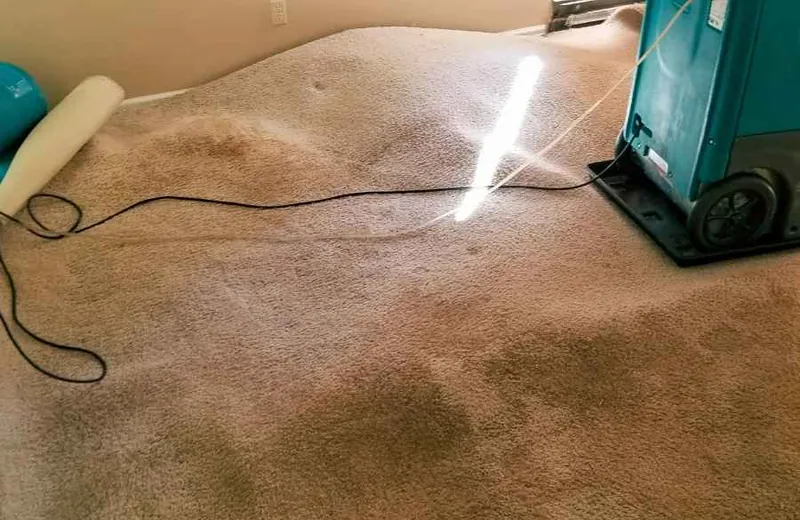
Act right away. In Moore's summer heat and humidity, mold can start on wet drywall and carpet within 24 to 48 hours, and water keeps wicking up walls and into subfloors the whole time. We answer 24/7 and dispatch crews as quickly as possible. While you wait, shut off the main water valve if it's safe, turn off power to wet areas, move valuables off the floor, and take photos. Don't run fans on contaminated water or vacuum standing water with a household vacuum.
How long does the drying and restoration process take?
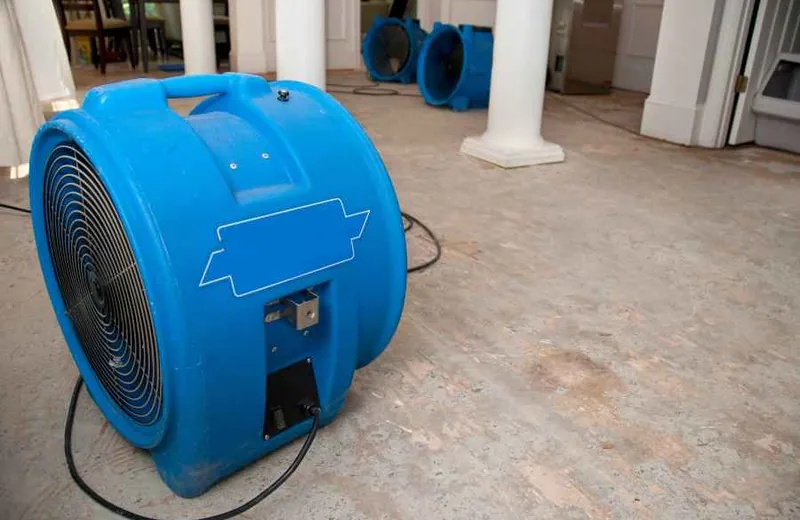
Extraction and mitigation usually happen the same day we arrive. Structural drying typically takes 3 to 5 days, and we check moisture readings daily rather than pulling equipment on a fixed schedule. Dense slab concrete and Oklahoma humidity can stretch that a bit. Repairs afterward range from a few days for drywall and paint to several weeks for major rebuilds that need permits, material orders, or insurance approval. We'll give you a realistic timeline after the inspection and keep you updated as it changes.
Do I need a permit for water damage repairs in Moore?
Drying and cleanup don't require a permit. Structural repairs, reroofing, and major remodels in Moore do require permits through the city's Community Development department, and major rebuilds must meet Moore's post-2013 wind-resistance rules. Plumbing, electrical, and mechanical repairs must be done by Oklahoma CIB-licensed tradespeople. Norman, Oklahoma City, Nichols Hills, and other nearby cities each have their own permit offices, and Norman and FEMA-mapped flood zones may have extra floodplain rules. We'll tell you up front what your project needs and handle it as part of the job.
Is floodwater or sewage dangerous to clean up myself?
Yes. Outside floodwater and sewage are classified as Category 3 black water because they can carry bacteria, viruses, chemicals, and debris. Drywall, insulation, carpet pad, and other porous materials soaked by black water usually have to be removed, not just dried, and the area needs disinfection. Older homes in Del City, Midwest City, and Spencer may also have lead paint or asbestos materials that shouldn't be disturbed without testing. For your family's health, and for your insurance claim, let a professional crew in protective gear handle it.
How can I prevent water damage in my Moore home?
Before winter, insulate attic and exterior-wall pipes, disconnect hoses, cover spigots, and drip faucets and open cabinet doors during hard freezes. Have your roof checked after any significant hail, even if you don't see leaks. Clean HVAC condensate lines every spring and make sure your attic drain pan has a working float switch. Replace rubber washing machine hoses every five years, and replace attic water heaters before they rust through. Keep gutters clear and grade soil away from your foundation, since Moore's clay drains slowly.
Should I use a local company or one of the crews that show up after a big storm?
Go with a local company whenever you can. After major hail, tornado, or freeze events, out-of-state storm chasers show up quickly, but they may not understand Moore's permit and wind-code rules, Oklahoma insurance practices, or local building types. They also may not be around if problems show up later. Because Oklahoma doesn't license water restoration separately, ask for proof of bonding and insurance and how they document drying. We're local, bonded and insured, and we keep moisture logs that hold up with adjusters.